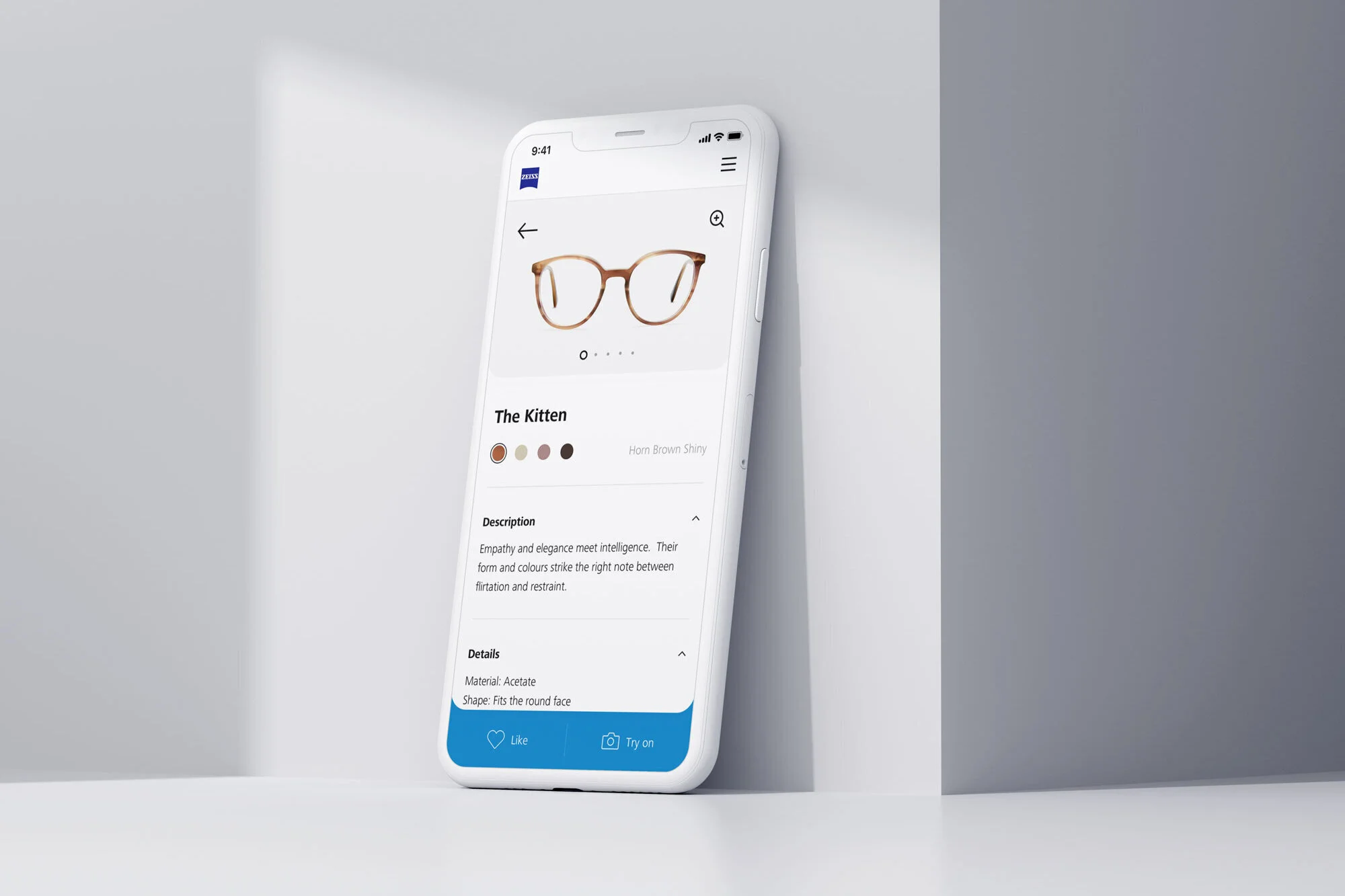


ZEISS — Digital Interface Design
Overview
ZEISS is one of the world’s most respected technology companies, known for its pioneering work in optics, precision engineering, and scientific innovation. With a history spanning more than 175 years, the brand stands for accuracy, reliability, and technological excellence.
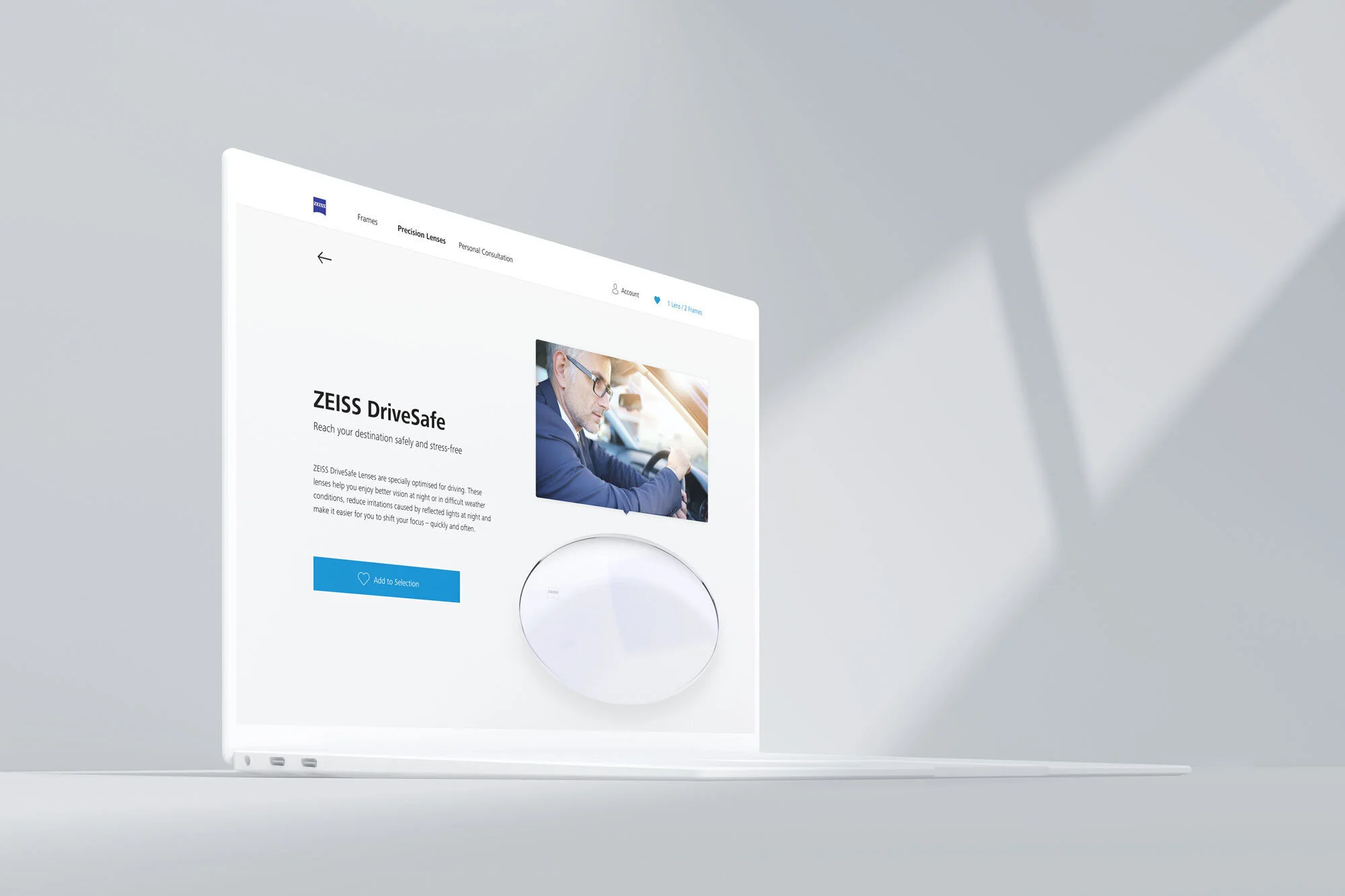
Sparkpark's co-founder Dustin Lundt collaborated with ZEISS as Etribes' Creative director to design digital interfaces that translate this legacy of precision into intuitive and modern user experiences.
The objective was to create interfaces that support complex technical workflows while maintaining the clarity and elegance expected from a global technology leader.
The Challenge
ZEISS products often operate in highly specialized environments such as laboratories, manufacturing facilities, and research institutions. The users of these systems are typically experts working with complex datasets, advanced hardware, and mission-critical processes.
The challenge was therefore twofold:
simplify interaction with technically complex systems
maintain the precision and reliability required for professional users
Interfaces needed to present large amounts of technical information while remaining clear, efficient, and easy to navigate.
At the same time, the design had to align with ZEISS’ strong visual identity and brand standards.
The Approach
Our process began with analyzing the workflows of professional ZEISS users and mapping the key interactions required for their daily tasks.
We focused on identifying where complexity could be reduced without limiting functionality. This led to a design approach centered around:
clear information hierarchy
structured layouts for data-heavy interfaces
intuitive navigation patterns for expert users
visual clarity that supports precision work
The goal was not only to design visually appealing interfaces but to create tools that improve efficiency and reduce cognitive load during technical workflows.
Interface Design
The interface system was designed with a strong emphasis on clarity and precision.
Key design principles included:
structured grid systems for complex data displays
clear typographic hierarchy for technical information
high-contrast visual elements for improved readability
minimalistic design language aligned with ZEISS’ engineering culture
Special attention was given to the interaction between software interfaces and physical hardware systems, ensuring that digital controls felt natural within the broader product ecosystem.
The Result
The final interface design enables professionals to interact with sophisticated ZEISS technology in a more intuitive and efficient way.
By combining deep UX thinking with a disciplined visual design system, the project helped transform complex technical workflows into clear digital experiences.
The result reflects the core values of ZEISS itself: precision, clarity, and innovation.
Category:
Product Design
Client:
Zeiss
Duration:
8 – 9 Weeks
Location:
Hamburg, Germany