

Project Vega — Future Interface Exploration
Overview
Project Vega was an internal design exploration focused on the question: What could the next generation of digital interfaces look like?
The goal was to experiment with new interaction models, visual systems, and interface architectures that go beyond traditional UI patterns. By combining elements of data visualization, motion design, and modular interface components, the project explores how complex digital systems can be made more intuitive and visually expressive.
The Challenge
Modern digital products increasingly deal with large amounts of data, interconnected systems, and real-time information flows.
Traditional interface structures often struggle to present this complexity in a way that remains understandable and efficient for users.
The challenge for Project Vega was therefore to explore:
how complex datasets can be visualized clearly
how interfaces can adapt dynamically to user needs
how interaction design can reduce cognitive overload in data-heavy environments
At the same time, the visual language needed to feel forward-looking and technologically advanced, without sacrificing usability.
The Approach
The project began with a series of conceptual explorations focusing on interface structure and information hierarchy.
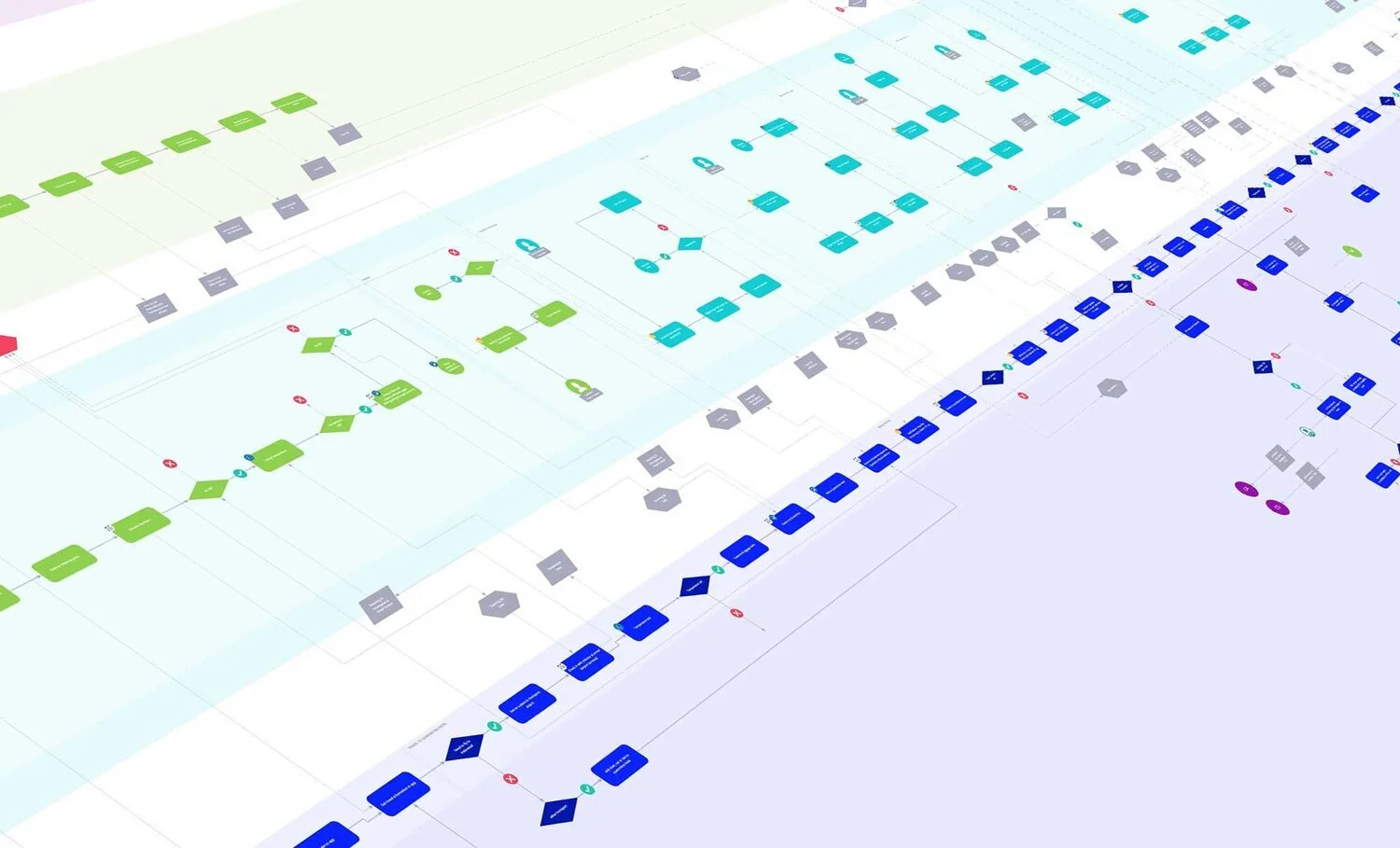
Rather than designing isolated screens, the system was approached as a modular interface ecosystem composed of flexible components that can adapt to different contexts.
Key exploration areas included:
modular dashboard layouts
dynamic data visualization components
layered information structures
fluid navigation between datasets and controls
These concepts allowed the interface to remain flexible while still maintaining clarity and consistency.
Interface Design
The visual design emphasizes clarity, contrast, and motion.
The interface uses:
dark UI environments to highlight data and visualizations
high-contrast color systems for fast recognition of key information
modular components that can be rearranged based on workflow needs
interactive visualizations that transform complex data into understandable patterns
Motion and subtle transitions play an important role in guiding the user through the interface and reinforcing the structure of the system.
The Result
Project Vega demonstrates how thoughtful interface design can transform complex systems into clear, engaging digital experiences.
By combining modular architecture, strong visual hierarchy, and expressive data visualization, the project explores new directions for future digital products.
The result is a conceptual interface system that illustrates how technology, design, and usability can come together to shape the next generation of digital interfaces.
Category:
Platform Design
Client:
BP
Duration:
4 months
Location:
Indonesia